



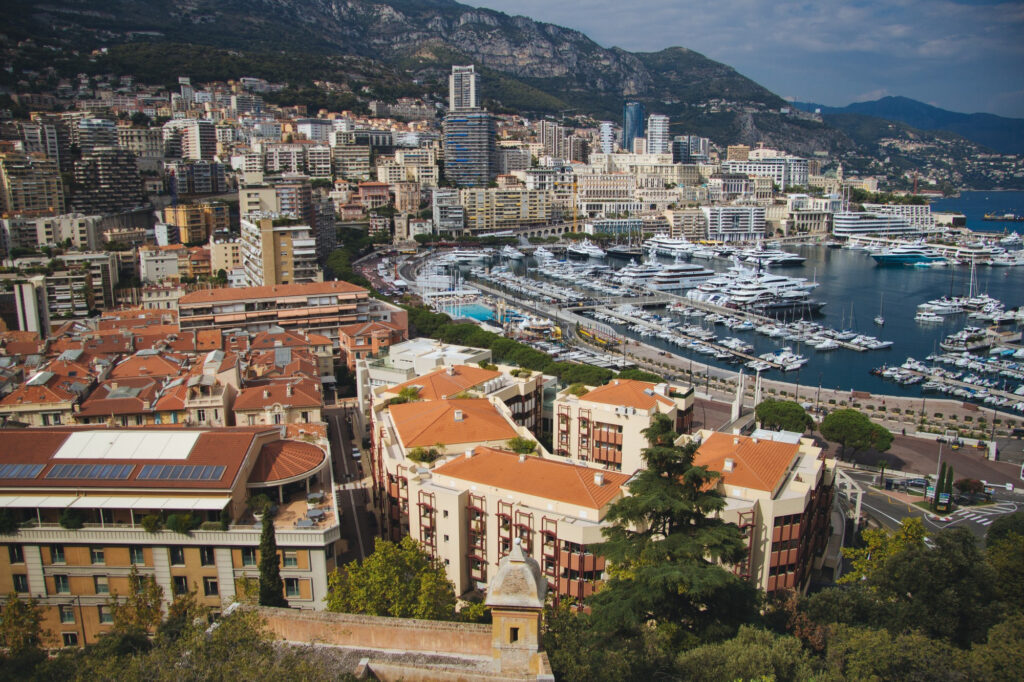
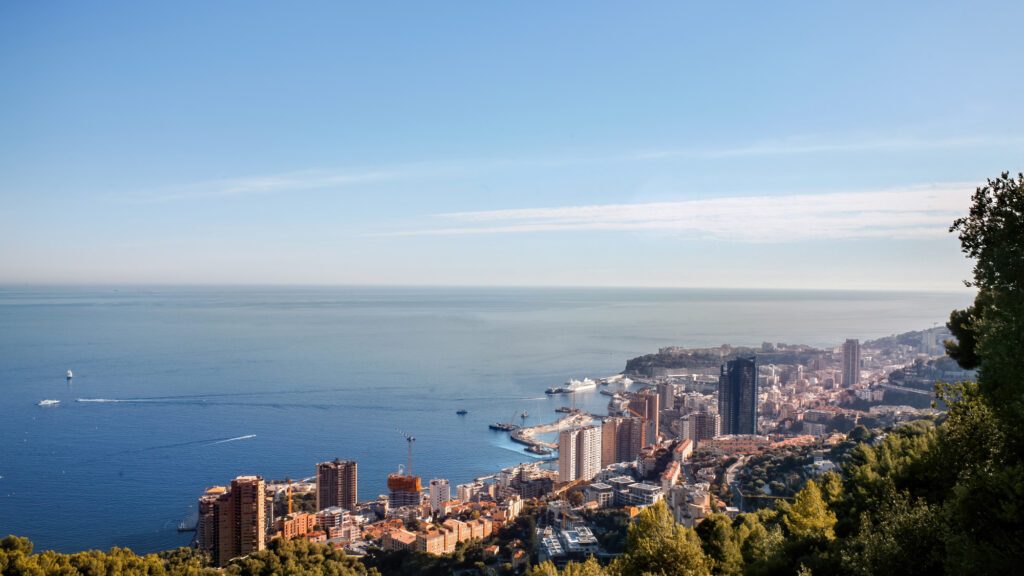
It is Formula 1 race weekend in Monaco, and for one weekend, a two-square-kilometre principality on the French Riviera transforms into a floating city of superyachts, designer brands, private helicopters, and Formula 1’s global elite.
It becomes the largest stage for wealth, visibility, and the business of being seen.
The Monaco Grand Prix, Round 8 of the 2026 Formula 1 World Championship, has been staged on these streets in some form since 1929 and has been part of the official Formula 1 calendar since 1950.
Yet what unfolds here each year increasingly feels larger than a sporting event.
Monaco does not feel like a race weekend so much as a temporary reordering of reality because even arrival there feels staged.
Somewhere along the Côte d’Azur, before the principality properly appears, the South of France begins doing what it always does during race week: absorbing overflow.
Nice becomes a transit hub dressed in luxury. Cannes turns into a waiting room for wealth, villas scattered across the hills above the Mediterranean switch identities overnight, becoming temporary headquarters for guests who are not really staying anywhere so much as positioning themselves closer to something happening down the coast.
And then Monaco arrives, not as distance, but as compression.
Everything is suddenly closer together, the sea, the mountains, the hotels, the money, the race.
For one weekend, the world’s attention is squeezed into just over two square kilometres.
The World’s Smallest Formula 1 Circuit, Its Largest Luxury Stage
The first thing you notice is how little space there actually is. At just 3.337 kilometers, Monaco is the shortest circuit in Formula 1, less a racetrack than a city folded tightly into itself.
Despite decades of debate about modernising the race, the layout remains largely unchanged in 2026.
Formula 1 has altered regulations, adjusted race procedures, and searched for ways to improve overtaking, but Monte Carlo continues to follow the same narrow ribbon of asphalt that has defined the event for generations.
The circuit is not carved into the city; it is pressed into it.
Streets that normally belong to slow-moving Riviera traffic become inches of asphalt bordered by unforgiving Armco barriers. Public roads become a Formula 1 venue.
Apartment balconies become grandstands and hotel terraces become hospitality suites.
Even before the engines arrive, the city is already performing.
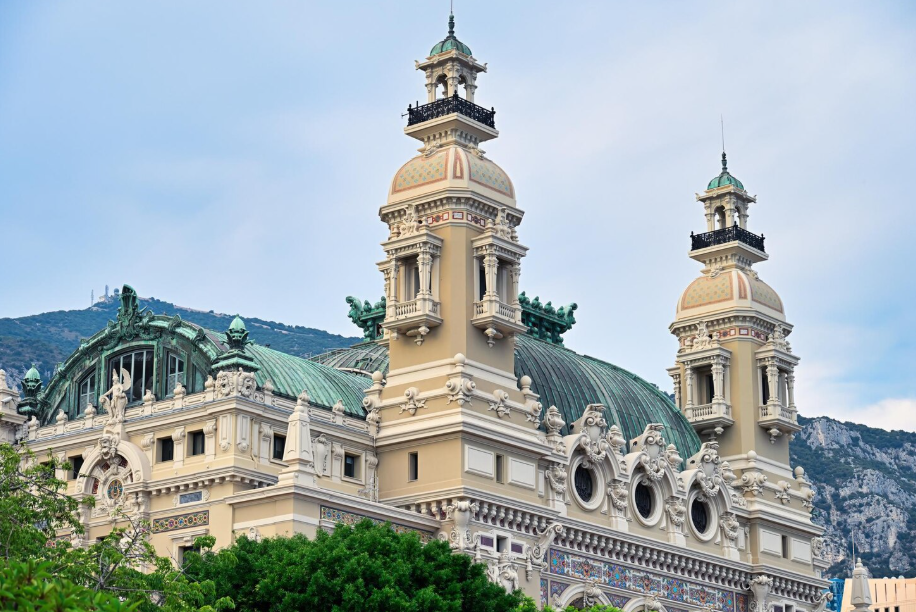
Outside the famous Casino de Monte-Carlo, Bentleys, Ferraris and Rolls-Royces idle long enough to be seen but rarely long enough to be parked. Across the square, cafes do not simply serve coffee; they stage it.
The Harbor as a Second Grandstand
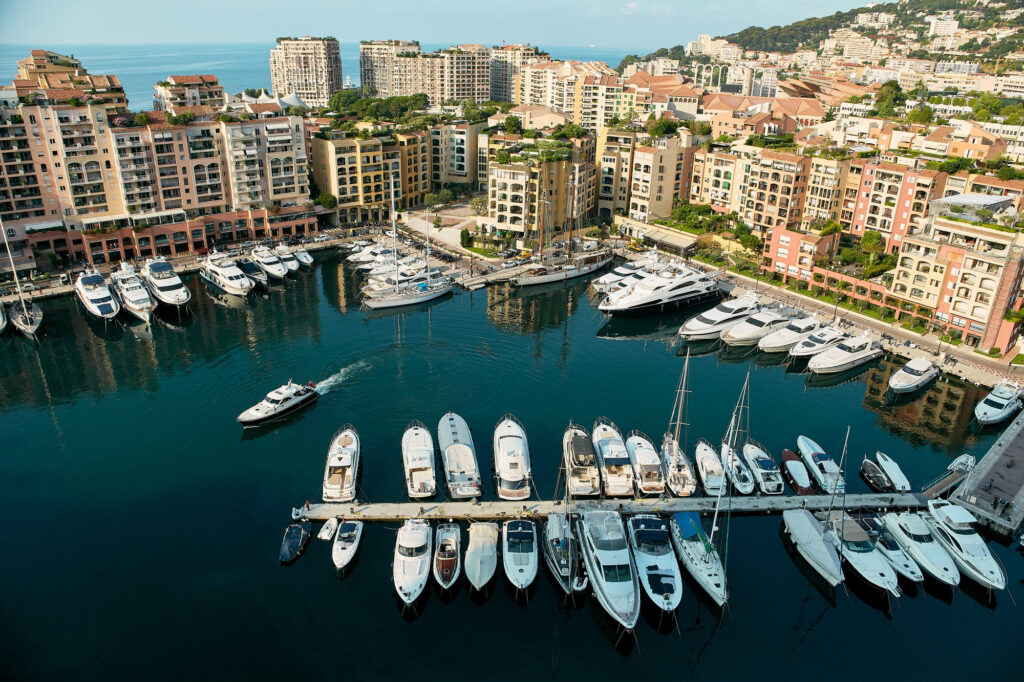
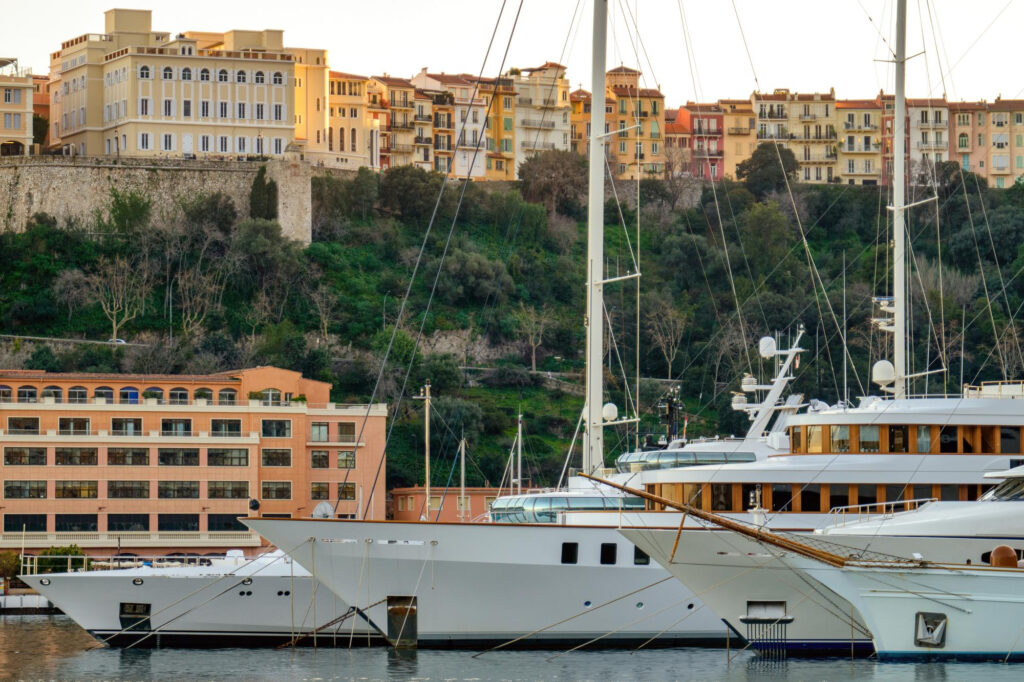
If Casino Square is Monaco’s social center, Port Hercule is its floating capital. Within the two weeks, the harbor fills with superyachts stacked so tightly they appear to be negotiating territory.
Some are privately owned, most are chartered, but all of them exist for a single reason: Proximity.
Not to Formula 1 in general, but to this exact piece of Formula 1.
The economics of that proximity are staggering. During Grand Prix weekend, a berth in Port Hercule becomes one of the most valuable temporary addresses in motorsport.
Depending on the size and location of the vessel, owners and charter operators can pay tens of thousands, or, in some cases, hundreds of thousands, of euros simply for the right to dock during race week.
That is often only the beginning, the berth secures the location. The yacht becomes the venue.
Catering, hospitality staff, security teams, private chefs, entertainment crews, and guest services transform vessels into floating private clubs.
Some guests arrive aboard yachts they own. Others purchase access through hospitality companies, paying between €15,000 and €40,000 per person (approximately US$16,500 to US$44,000, or Sh 2.4 million to Sh 6.4 million) for a weekend of dining, networking, and race viewing.
Private yacht charters can exceed €250,000 (about US$275,000 or Sh 40 million) before additional costs are considered. The irony is that many of these boats do not offer the best views of the circuit.
Visibility is only part of what is being sold.
The real value lies in being anchored inside Monaco’s most exclusive social ecosystem, where CEOs, celebrities, investors, sponsors, and ultra-high-net-worth individuals occupy the same floating neighbourhood for a few days each year.
Monaco remains one of the few sporting events where social access is often as valuable as sporting access. This is also where Monaco reveals one of its quieter contradictions.
Jet skis move constantly between yachts carrying crew, security personnel and police officers, small, fast interruptions in an otherwise slow-moving world of champagne, polished steel, and glass decks.
Tight Security Even in the Water
Even authority arrives by water. Above it all, helicopters shuttle continuously between Nice and Monaco, turning the coastline into a short-haul air corridor.
A seven-minute flight replaces what could otherwise be an hour in traffic, but transportation is only part of the appeal.
The helicopter ride is a transition ritual.
From the air, people go to grab breakfast or dinner, 3 corners away. Monaco finally makes sense: a narrow strip of civilization squeezed between mountain and sea, improbably small for the amount of global attention it commands.
Inside Formula 1’s Private World: Monaco’s Most Important Day Is Saturday
Days before the race, the paddock becomes its own sealed ecosystem. Engineers move through garages like people working inside a living equation.
Drivers appear briefly before disappearing again into simulators, debrief rooms, hospitality units, and carefully managed schedules. The air smells of hot rubber and sun-warmed metal.
And then there is the sound.
Formula 1 cars do not simply pass through Monaco; they reverberate through it.
Engines echo off apartment blocks, luxury hotels, tunnel walls and harborfront buildings. The city functions like a natural amplifier, bouncing sound between mountain and sea.
You often hear the cars before you see them.
Outside the paddock gates, the city behaves like an extension of the sport but without its rules.
Luxury hotels are fully booked months in advance. Balconies become viewing platforms. Rooftops become event spaces.
Lunch at the legendary Hôtel de Paris Monte-Carlo unfolds beneath chandeliers older than most Formula 1 teams. Dinner reservations at Nobu Monte Carlo become networking opportunities disguised as meals.
Yet Monaco’s defining characteristic remains the circuit itself. The track is famous not for speed but for refusal.
Refusal to forgive mistakes
Refusal to expand.
Refusal to behave like modern Formula 1 venues designed around overtaking.
There is no room for error and even less room for passing. That is why qualifying matters more here than almost anywhere else in motorsport.
On Saturday, drivers are not simply competing for grid position, they are often determining the structure of Sunday’s race.
Once the lights go out, overtaking becomes an exercise in improbability.
The barriers sit too close, the corners arrive too quickly and sharply. A driver ahead is not merely ahead, just right behind unless something extraordinary happens.
In Monaco, the race is often won on Saturday.
Where Old Money Meets New Luxury
At the center of it all sits Casino Square. For decades, this has been the symbolic heart of Monaco’s relationship with wealth.
But race weekend reveals something more complex than glamour. It reveals a changing definition of luxury.
Monaco’s traditional image was built on old money: aristocratic families, inherited fortunes, European banking dynasties and long-term residents whose wealth predates modern Formula 1.
Today, they share the same streets with a newer generation of wealth drawn from technology, venture capital, entertainment, private equity, and digital industries.
The contrast is visible everywhere. A vintage Ferrari from the 1960s can attract as much attention as a newly delivered hypercar. Classic Aston Martins sit outside hotels alongside limited-production Bugattis and McLarens.
Old money values heritage while New money values visibility.
Monaco has become one of the few places where both cultures comfortably coexist, and luxury brands understand this better than anyone.
Throughout race week, fashion houses such as Louis Vuitton, Gucci, Dior and Hermès become part of the visual landscape. Watchmakers including Rolex, TAG Heuer and Richard Mille compete for visibility among a customer base gathered in unusually high concentration.
For these brands, Monaco is not merely a sporting event, it is one of the world’s most efficient luxury marketing platforms.
The audience is already there.
The Price of Being Seen
As race weekend peaks, the economics of visibility become impossible to ignore. By this stage, most prime viewing locations have long since sold out.
Grandstands around Casino Square, the Swimming Pool section, and harbor-facing corners are typically booked months in advance. Remaining three-day seats generally range from €500 to €1,500 (approximately US$550 to US$1,650 or Sh 80,000 to Sh 240,000), with resale prices often climbing significantly higher.
General admission remains the most affordable option at roughly €150 to €300 (about US$165 to US$330 or Sh 24,000 to Sh 48,000), though availability is limited and sightlines are often restricted which sells out within seconds of going live.
Above that sits Monaco’s hospitality economy. Private terraces, corporate suites, and trackside lounges commonly start around €3,000 per person and can exceed €12,000 (US$3,300 to US$13,000 or Sh 480,000 to Sh 1.9 million).
At that level, visitors are no longer paying for a seat, they are paying for insulation from the crowd, comfort, exclusivity, and access become the product.
The harbor operates in an entirely different category.
Shared yacht experiences can cost between €15,000 and €40,000 per person, while private charters regularly exceed €250,000 for the weekend.
Yet many of these locations do not offer the best views of the race.
That is because Monaco is not merely selling Formula 1, it is selling proximity, to the event, to the city, and to the people who gather around it.
For many visitors, that proximity has become as valuable as the racing itself.
As darkness settles over the harbor, Monaco begins its final transformation.
Deck lights illuminate the water, music drifts between yachts, glassware with expensive champagnes and wines clinks softly against polished railings.
Helicopters continue their rotations overhead while conversations stretch late into the night.
By Sunday, even victory feels distributed!
The podium ceremony is only one moment in a much larger system of arrivals, departures, deals, introductions, and performances.
Monaco proves that a Formula 1 race can become far more than a sporting event. Around it, an entire economy of luxury, visibility, branding, and aspiration has taken shape. The cars may be the attraction, but the real commodity is proximity. In Monaco, people are not just paying to watch the race, they are paying to be seen standing close to it.
A weekend at the Monaco Grand Prix: WATCH HERE
Read more Weekender stories: HERE