



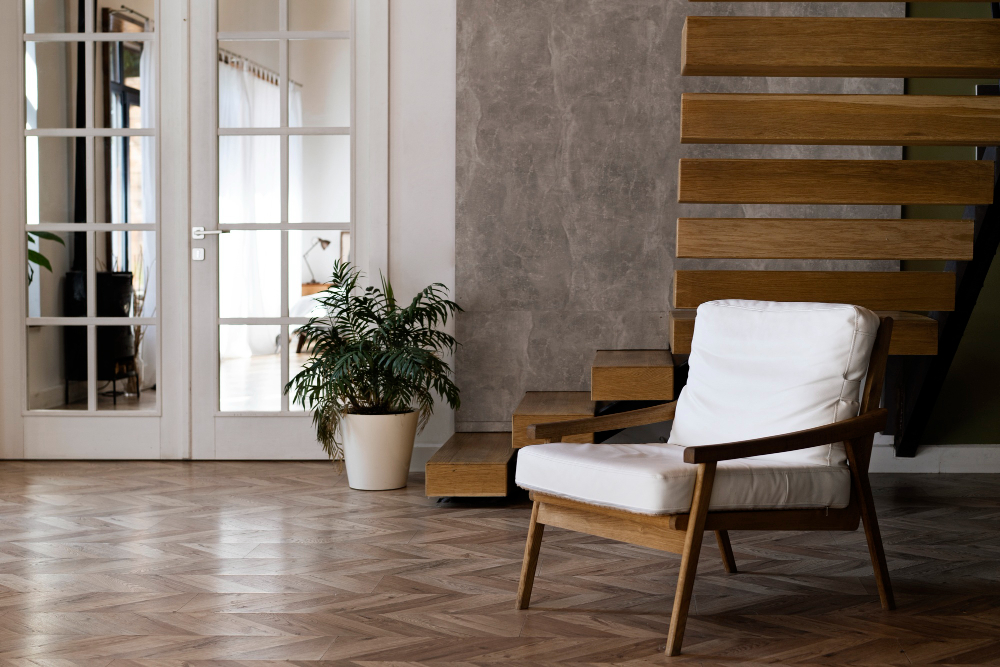
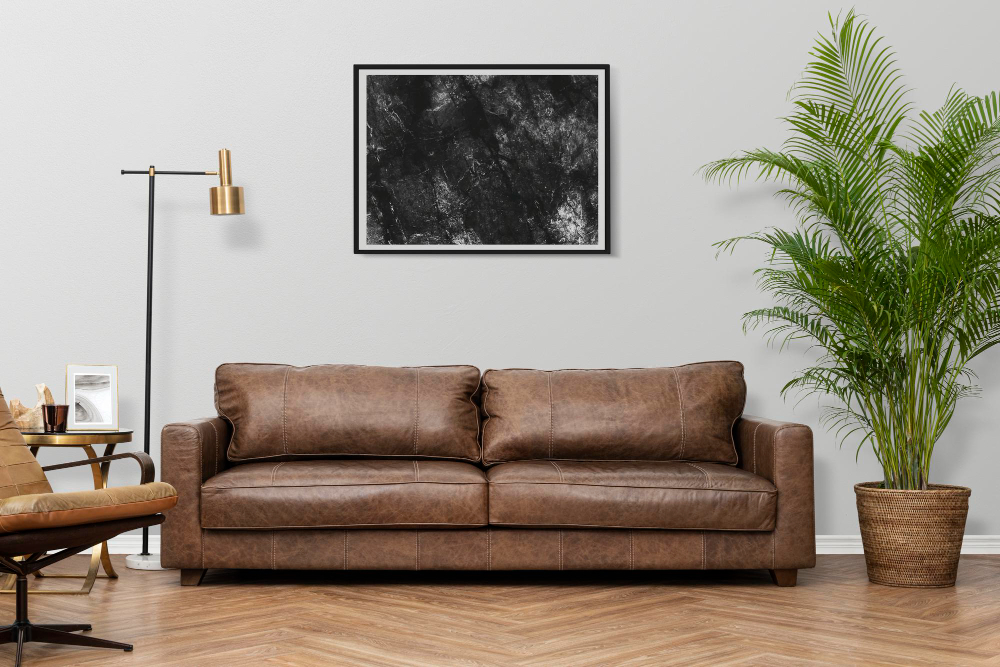
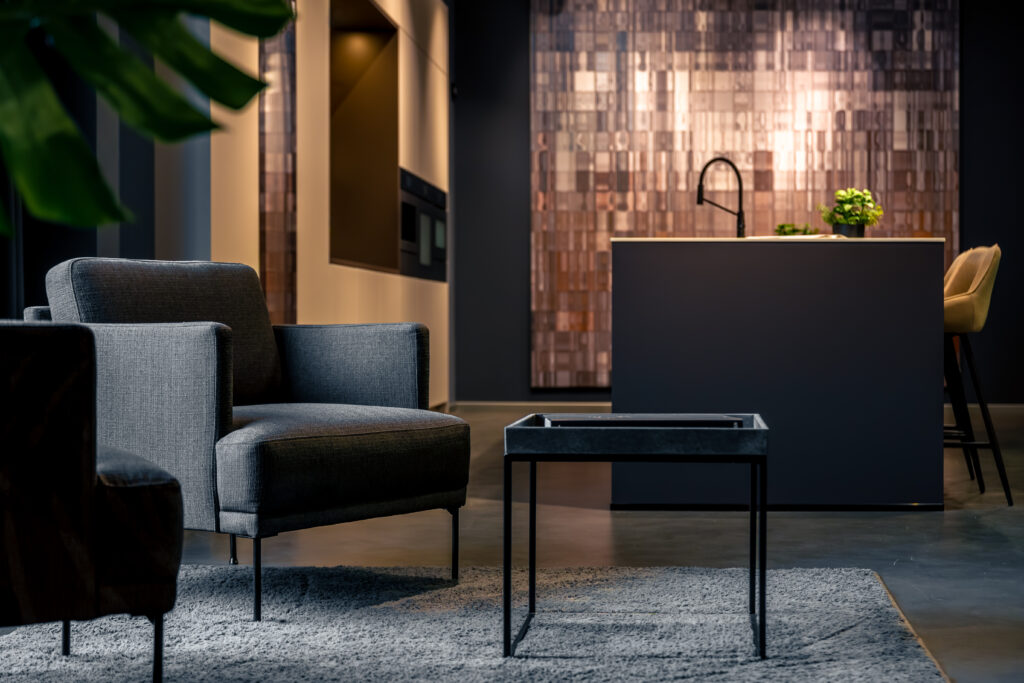
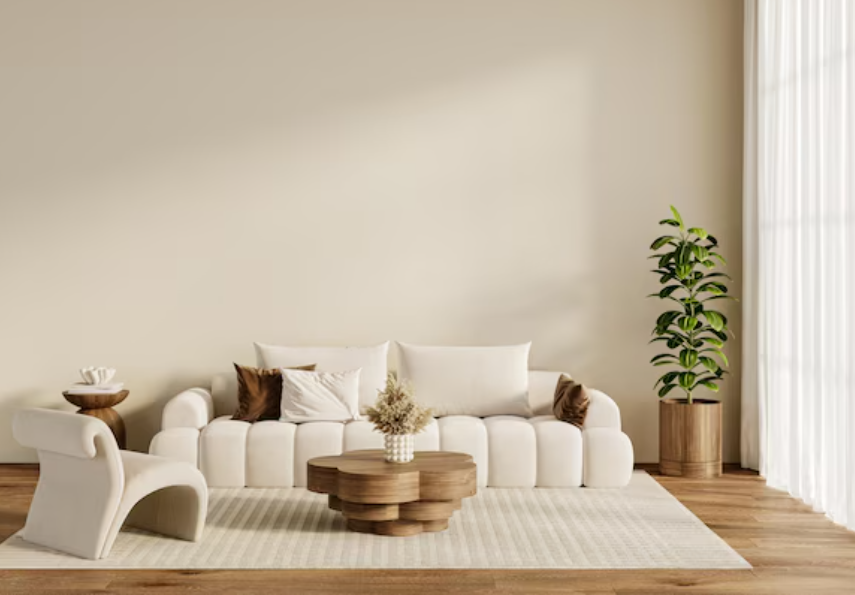
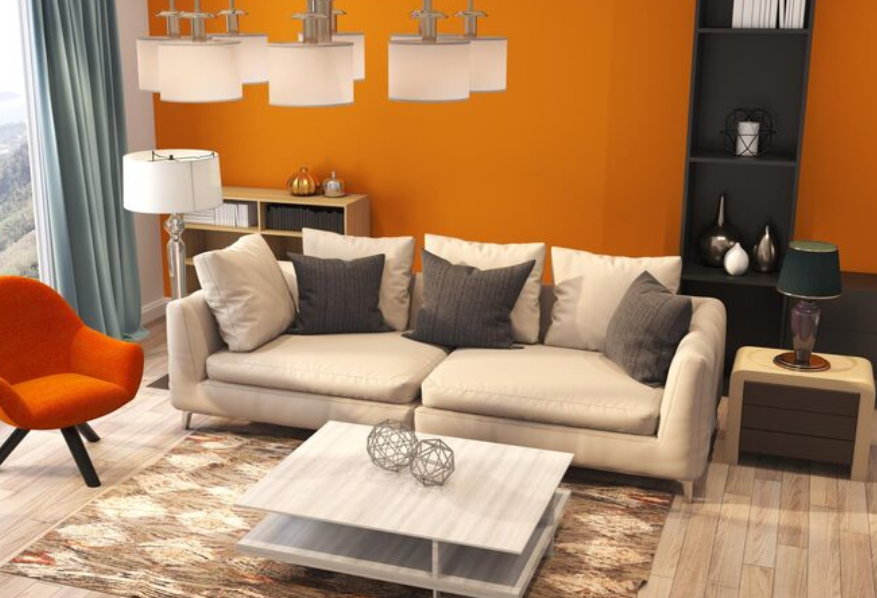
There is a certain unspoken feeling that arises when you step into someone’s home. It is a subtle yet immediate impression that goes beyond furniture, layout, or even colour palettes, because before you consciously notice anything specific, you begin to feel the atmosphere of the space.
- The Pressure of Living in a World of Perfect Homes
- When a Home Begins to Reflect Rather Than Impress
- The Emotional Language of Space and Design
- Discovering Personal Style Beyond Trends
- Lifestyle, Function, and the Way You Live
- Letting Go as a Form of Clarity
- The Power of Personal Objects and Memory
- A Home That Evolves With You Over Time
In many ways, you begin to understand something about the person who lives there, as though their habits, memories, emotional rhythm, and sense of self have quietly settled into the walls, surfaces, and corners of the home over time.
What makes this even more interesting is that most people do not intentionally set out to create a home that reflects their personality in such a deliberate or philosophical way, but instead, their spaces often become a gradual accumulation of choices made over time, influenced by convenience, emotion, memory, lifestyle, and sometimes even impulse, and when all of these decisions are viewed together, they form something far more revealing than a simple interior design style, they form a kind of living portrait of identity.
The Pressure of Living in a World of Perfect Homes
In today’s world, it is almost impossible to avoid the influence of social media when it comes to how we perceive homes, because platforms like Pinterest, Instagram, and TikTok continuously expose us to highly curated interiors that appear effortlessly perfect.
From matching furniture sets, carefully balanced neutral tones, soft lighting, and spaces that seem untouched by the realities of everyday life, over time, this creates a quiet but persistent pressure to measure our own homes against these images and to believe that there is a specific standard we must meet in order for our spaces to feel acceptable, aesthetic, or complete.
What is rarely acknowledged, however, is that these images are not just expressions of taste but also products of a larger culture of consumption, where entire industries rely on the idea that your home is never truly finished, that there is always a newer sofa, a more refined colour palette, a more “timeless” décor piece, or a more trending aesthetic waiting to replace what you already have.
When a Home Begins to Reflect Rather Than Impress
Yet somewhere along the way, often through experience, maturity, or simply exhaustion from constant comparison, there is usually a shift that begins to happen, a moment where the desire to impress others slowly gives way to a deeper desire to feel at ease within one’s own space, and it is in this moment that a home begins to transform from something that is designed for external approval into something that is shaped by internal truth.
At this stage, choices become less about trends and more about instinct, and instead of asking what is currently popular or what fits a certain aesthetic category, you begin to ask quieter, more personal questions such as what makes me feel calm when I come home, what colours feel familiar to me, what kind of environment allows me to think clearly, rest deeply, or simply exist without pressure.
Without force or planning, your home begins to take on a more honest reflection of who you are rather than who you think you should be.
The Emotional Language of Space and Design
Every home, whether consciously designed or not, communicates something through what can almost be described as an emotional language, because the way a space is structured, the textures that are present, the amount of light allowed in, the balance between order and disorder, and even the presence of silence or clutter, all contribute to an overall feeling.
A home that is open, minimal, and carefully structured may communicate a sense of clarity, control, and intentional living, suggesting a person who values simplicity, focus, and calm environments, while a home that is layered, expressive, and filled with personal objects, books, textures, and collected items from different stages of life may communicate warmth, creativity, emotional depth, and a strong connection to memory and experience, and yet neither of these expressions is superior to the other, because they simply reflect different ways of being in the world and different ways of processing life itself.
Discovering Personal Style Beyond Trends
One of the most interesting parts of understanding your home as a reflection of your personality is realizing that personal style is not something that is usually discovered instantly or defined by a single aesthetic label, but instead something that emerges gradually through observation, repetition, and emotional recognition, often without you fully realizing it at first.
You may begin to notice that certain colours keep appearing in things you are drawn to, or that you are consistently attracted to specific textures, materials, lighting conditions, or even architectural forms.
And when you start paying attention to these subtle patterns, you begin to uncover a visual and emotional language that feels uniquely aligned with you, one that is not borrowed from trends but instead rooted in your own lived experience.
Creating a mood board can often help bring this clarity into focus, not because it is a technical design tool, but because it allows you to see your instincts more clearly when they are gathered in one place.
This is especially when you include not only interior images but also nature, travel photography, architecture, and everyday moments that evoke a feeling of familiarity or emotional resonance, because often the most authentic inspiration does not come from staged environments but from the world as you naturally perceive it.
Lifestyle, Function, and the Way You Live
A home is also deeply connected to lifestyle in ways that go beyond appearance, because the way you live your daily life inevitably shapes the kind of environment that supports you best.
Whether that means structured spaces that help you maintain routine and focus, or softer, more flexible spaces that allow for relaxation, movement, and emotional ease.
For some people, order and symmetry create a sense of stability and mental clarity, while for others, a more fluid and organic environment feels more natural and less restrictive, and most people, in reality, exist somewhere between these two extremes. Which is why many of the most compelling homes are not defined by strict design rules but by thoughtful combinations of structure and spontaneity that evolve over time.
Letting Go as a Form of Clarity
One of the most transformative but often overlooked aspects of creating a home that truly reflects who you are is the willingness to let go of objects, furniture, and décor that no longer align with your current sense of self.
This is because over time, spaces can become filled with items that no longer represent who you are but instead reflect past versions of yourself, past interests, or past phases of life that you may have already outgrown.
Releasing these items, whether gradually or all at once, creates a kind of visual and emotional clarity that allows your true style to surface more naturally, and although this process can sometimes feel uncomfortable or uncertain at first, it often becomes the foundation for a more intentional and meaningful relationship with your space.
The Power of Personal Objects and Memory
Beyond style and structure, what truly brings a home to life are the personal objects that carry meaning beyond aesthetics, because a home becomes deeply individual when it contains elements that cannot be purchased for their emotional value alone, such as photographs, inherited furniture, handmade items, travel souvenirs, or small keepsakes that are tied to specific moments, people, or places in your life.
These objects hold memory in a way that design alone cannot replicate, and when placed within a home, they create a sense of continuity between past and present, turning the space into something that is not only visually cohesive but also emotionally grounded.
A Home That Evolves With You Over Time
Ultimately, perhaps the most important truth about homes is that they are never truly finished, because as people grow, change, and move through different phases of life, their needs, preferences, and emotional landscapes also shift.
And naturally, their homes begin to shift with them, sometimes subtly and sometimes dramatically, reflecting new priorities, new experiences, and new understandings of what comfort and identity mean at different stages.
In the end, a home that reflects your personality is not one that follows a perfect formula or a fixed aesthetic category, but one that feels honest when you walk into it, one that allows you to breathe more easily, think more clearly, and exist more fully without the pressure of performance or comparison.
READ MORE WEEKENDER REAL ESTATE STORIES: HERE
WATCH: How to find the perfect mood board for your home