



While wellness trends often focus on meditation, yoga, and having a proper diet, one of the simplest self-care practices may be hiding in plain sight, your daily shower.
- Hot or cold bathing? Which way to go
- There is more to just cleansing
- What happens inside your body when you bath
- Hot vs cold baths: What’s the difference?
- Which is better?
- Beyond the body, what bathing does to the brain
- Modern showering has shifted this experience
- Dry bathing: When water isn’t involved
- Turning routine into ritual
Think about it.
We all grew up with some version of the same rule: We need to shower daily (especially girls), and for men, at least a few times a week. But today, bathing habits sit on opposite ends of the spectrum.
Some people bathe just two to three times a week, embracing “minimal washing” routines. While others shower twice a day with elaborate, seven-to-ten-step routines involving exfoliation, double cleansing, body oils, masks and scented mists.
Two different worlds, connected by the same simple act: Bathing.
But bathing, whether you are soaking in a tub, swimming , which involves immersing yourself in water, standing beneath a steady stream of water, or even practicing dry bathing when water is limited, is far more than an ordinary hygiene routine.
It is an intimate encounter with the body, a pause between the noise of the world and the quiet of your own breath.
Hot or cold bathing? Which way to go
“In a bath, I am one with the water. My body feels the water’s presence, its minute ripples, more fully than it feels air or fabric. Water slips over the skin, settles into every curve, every pore. Dipping, reclining, sinking, then floating millimeters above the surface, I become weightless, suspended between gravity and surrender,” Garnet Kilberg Cohen says.
For Cohen, bathing is immersion, a surrender to sensation. But she also notes that cold water carries its own quiet power.
“A brief cold rinse can awaken the senses, sharpen focus, and stimulate circulation, sending a rush of oxygenated blood through the body. Where warm water soothes and settles, cold water invigorates and resets, training the nervous system to respond to stress with greater resilience. Together, hot and cold water offer balance: one comforts, the other strengthens.”
Scientific research supports this contrast.
Studies on cold-water exposure show that it activates the sympathetic nervous system, the body’s alert mode, which increases heart rate, circulation, and oxygen delivery.
A 2016 study published in the North American Journal of Medical Sciences found that cold showers may stimulate mood-related neurotransmitters while also helping the body adapt to stress over time.
Warm water works differently.
It activates the parasympathetic nervous system, which is the body’s relaxation pathway.
Research shows that warm bathing can lower cortisol levels, ease muscle tension, and promote calm. Evening warm showers have also been linked to improved sleep onset, as the gradual cooling of the body afterward signals to the brain that it is time to rest.
Together, the science confirms what many people instinctively feel: heat soothes and grounds, cold sharpens and strengthens.
Used intentionally, both forms of bathing can become powerful tools for regulating stress, improving resilience, and restoring balance.
There is more to just cleansing
Bathing may begin as a simple act of cleansing, water against skin, steam rising, soap rinsed away but its meaning rarely stops there. The way we bathe, how often we do it, and the intention we bring into that space often mirrors what is happening beneath the surface of our lives.
Our bathing habits can quietly reflect our mental and emotional state.
In seasons of sickness, exhaustion or depression, even turning on the tap can feel like a mountain to climb. Conversely, when life feels balanced, a warm shower or a long soak can be an act of celebration, a moment to honour the body and mind.
The rhythm, temperature, and intention behind each bath subtly mirror what is happening inside us, offering a window into our overall well-being.
For some, bathing becomes a meditative practice, a chance to reset, breathe deeply, and release tension.
The choice of water temperature, the rhythm of movement, the scents and textures we surround ourselves with, including, bubbles, milk,bath oils, bath beads, petals or even herbs , all of it can subtly shape mood, clarity, and energy.
It is in these small, intentional acts that bathing transforms from routine hygiene into a powerful wellness ritual, a daily pause that nurtures both body and spirit.
“We cleanse the skin, but also the mind; we wash away more than dirt, especially in a life that is full of stress, fatigue, and emotional residue, that 8 minute simple act, makes everything outside and inside, flow down the drain, leaving space for calm, focus, and renewal. That is why when you step out of a bath, you feel renewed, it is like life gave you another chance.”
What happens inside your body when you bath
Experts now say that intentional bathing, when approached mindfully, offers far more than cleanliness, it can improve mental health, regulate hormones, and enhance sleep quality.
Bathing is not just a physical act; it is a sensory and emotional experience and when done intentionally, it triggers the parasympathetic nervous system, helping to reduce stress and anxiety.
This happens when warm water exposure, helps widen blood vessels, improving circulation and relaxing tight muscles. It can influence serotonin, the “feel-good” hormone, while helping reduce cortisol, the body’s primary stress hormone. That is why a warm evening shower often leaves you calmer and sleepier.
Hot vs cold baths: What’s the difference?
Warm showers are ideal for relaxation.They help ease muscle tension, lower stress levels, support better sleep, and open pores for deeper cleansing.
They are particularly beneficial at night, after long workdays, intense workouts, or emotionally draining situations.
Studies indicate that women tend to prefer warm baths more than men, likely due to physiological differences in body temperature regulation and comfort perception.
Warm water promotes a sense of safety and relaxation, which may explain why it is more favoured by women for stress relief, easing menstrual cramps, and soothing tension in tight muscles.
Research suggests that warm baths can improve blood flow to the pelvic area, helping reduce menstrual discomfort and bloating.
Additionally, the calming effects of heat help lower stress hormones like cortisol and support better sleep, making warm water bathing particularly beneficial for women during physically or emotionally demanding periods.
Warm water also gently stimulates lymphatic flow, supporting the body’s natural detoxification and lymph flow. This can help reduce fluid buildup, improve detoxification, and support immune efficiency.
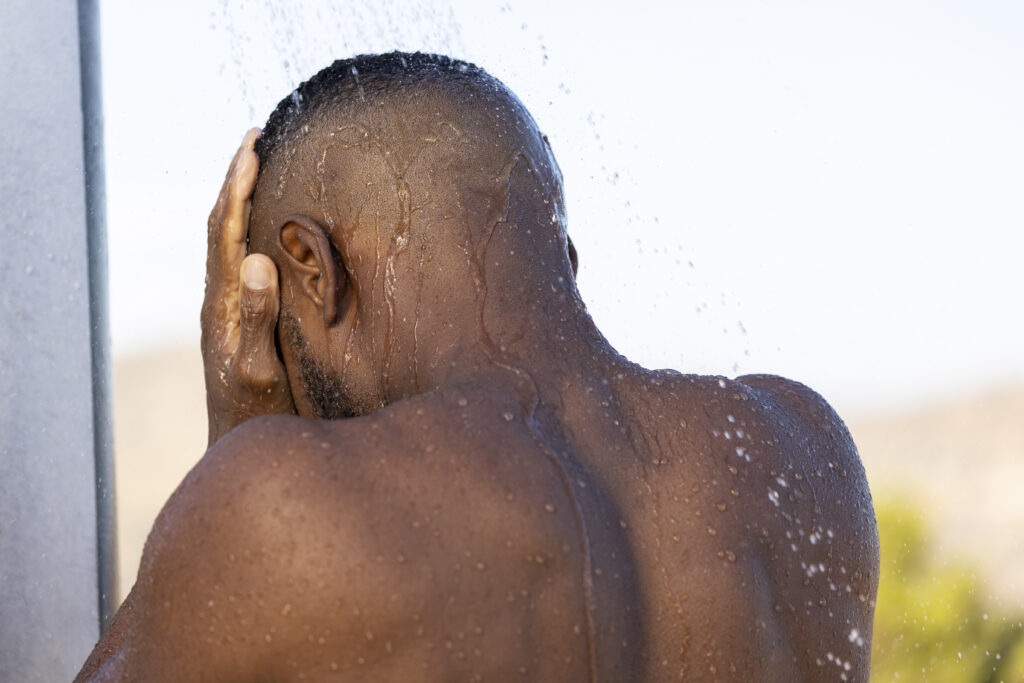
Cold showers stimulate circulation, increase alertness, boost energy levels, and may strengthen resilience to stress.
Cold exposure activates the body’s “fight or flight” mode, giving a brief shock that leaves you awake and alert. Many wellness experts recommend ending a warm shower with 30 seconds of cool water to improve circulation, mental clarity, and energy.
You can mix and match too, start with cold, then finish with warm if your goal is relaxation and better sleep or hot, cold, then hot. But generally, finishing with cold water is often recommended as it supports the nervous system balance better.
Research also suggests that cold-water immersion can enhance mood and reduce inflammation, although it is often preferred by men, who tend to have higher cold tolerance and may seek the invigorating effects rather than comfort. Cold exposure not only boosts circulation and energy but can also benefit the male reproductive system by supporting optimal sperm production, maintaining hormonal balance, and reducing oxidative stress in reproductive tissues.
Which is better?
Neither hot nor cold baths are inherently better; each offers unique benefits.
Warm baths are ideal for relaxation, stress relief, and sleep, making them a favourite for evening routines. Cold showers, however, can boost alertness, circulation, and resilience, making them suitable for mornings or when a mental or physical reset is needed.
Some experts recommend alternating between warm and cold water to combine the calming benefits of heat with the stimulating effects of cold, providing a balanced approach to wellness.
Beyond the body, what bathing does to the brain
Bathing has been found to strengthen resilience to stress.
People have appreciated the practice of bathing for thousands of years; for many, it was more than cleanliness, it was a ritual.
In Roman times, city dwellers enjoyed large bathing centers, called balnea or thermae, adorned with grand archways, marble statues, and intricate mosaics, making the bath an essential daily ceremony.
In Japanese culture, the onsen remains a sacred space, emphasizing immersion, mindfulness, and restoration.
So what can a daily bath do for your brain?
Immersive bathing, whether warm or alternating hot and cold, helps regulate the nervous system, lowers cortisol, and releases serotonin, promoting calm, focus, and emotional balance.
Warm soaks especially encourage mental stillness and reflection, allowing the brain to process stress and emotions, while brief cold exposure sharpens alertness and strengthens resilience.
Besides that, mindful bathing encourages body awareness and self-appreciation, helping you embrace your curves and improve self-esteem, supported by studies linking sensory rituals to positive body image.
Modern showering has shifted this experience
Yes, quick showers are efficient and hygienic, but they often lack the sensory depth and mental pause of a long soak, also bucket bathing, common in many parts of the world, is somewhere in between: it allows for deliberate pouring and mindful engagement with water, but without full immersion, the calming, meditative effects on the brain are generally less pronounced than a deep bath.
Across cultures and centuries, full immersion remains the method most associated with restorative mental benefits, though even simple showers or bucket baths can support mindfulness when approached intentionally
Dry bathing: When water isn’t involved
Dry bathing, often used in healthcare settings or in water-scarce environments, involves cleansing wipes, no-rinse cleansers, or towel baths.
While it may not provide the same sensory experience as water immersion, it still supports hygiene and dignity, especially for the elderly, the ill, or those struggling with mobility or mental health challenges.
Yes, bathing tools matter
Back in the days, bathing was often a simple affair, people relied solely on water to cleanse the body, with some using basic tools like cloths, wooden scrapers, or natural sponges. Soap, as we know it today, was a luxury and not widely used; traditional bathing emphasized the purifying effects of water itself.
Modern scientists, including Barbara O’Neill, have noted that many commercial soaps contain chemicals that can strip the skin of natural oils and disrupt its barrier, making them unnecessary for everyday cleansing. Tools like loofahs or brushes can still provide benefits such as exfoliation and improved circulation, but they aren’t essential if bathing is done mindfully.
Understanding this balance allows bathing to remain a restorative ritual, rather than just a chemical-heavy routine.
Turning routine into ritual
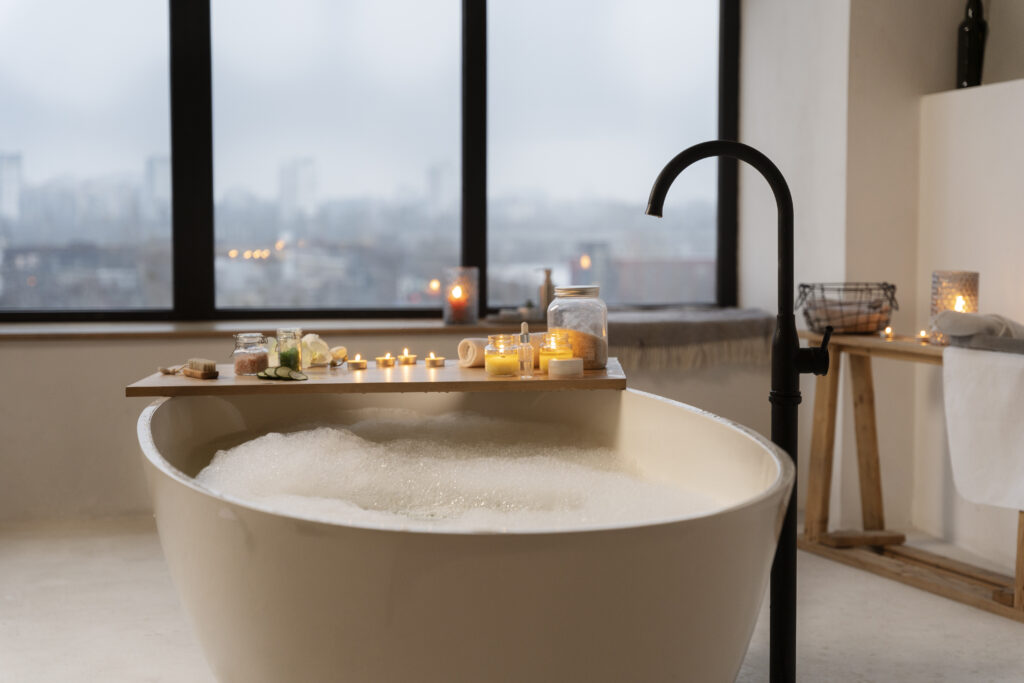
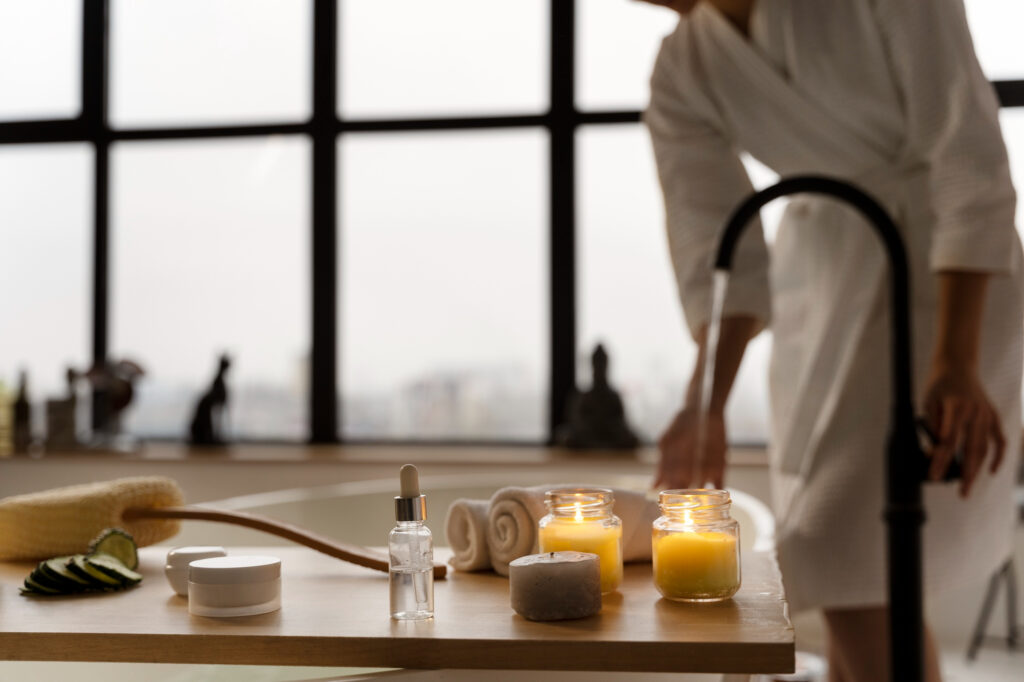
Intentional bathing goes beyond simply scrubbing the body. Experts recommend creating a calming environment by dimming the lights, using soothing scents such as lavender or eucalyptus, and playing soft, gentle music.
To turn your bath or shower into a true ritual, start by setting an intention for the experience , whether it is relaxation, stress release, or simply reconnecting with yourself.
Focus on the sensation of water against your skin, the warmth enveloping your body, and the rhythmic sound of flowing water. Incorporate mindful deep breathing, slow stretches for the shoulders and neck, or gentle movements that release tension.
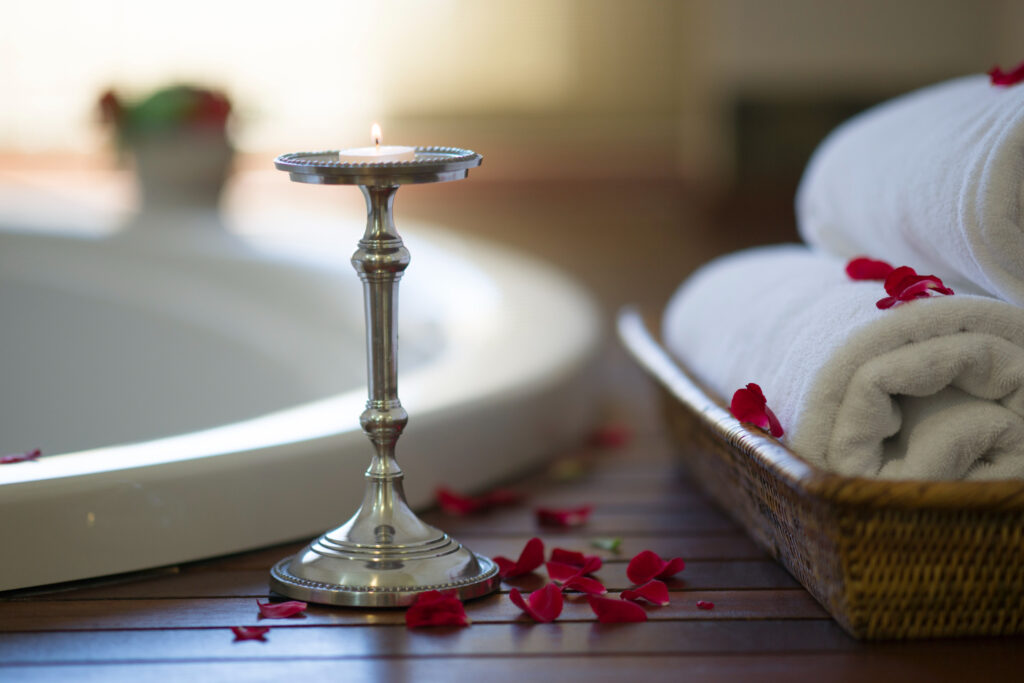
Add small touches that make the experience personal: lighting a candle, oud, sprinkling bath salts or petals, or using oils that appeal to your senses. By treating bathing as a deliberate, immersive practice rather than a routine chore, each shower or soak becomes a restorative ritual, a daily pause that nourishes both body and mind.
In a world obsessed with productivity, the shower is one of the few places where doing nothing is acceptable.
The benefits of the shower or bath are amplified when your attention is fully on the sensations rather than on your phone or notifications. Wellness does not always require complicated routines. Sometimes, it is simply about transforming what you already do every day into something mindful.
And the best part? It is already built into your day.