



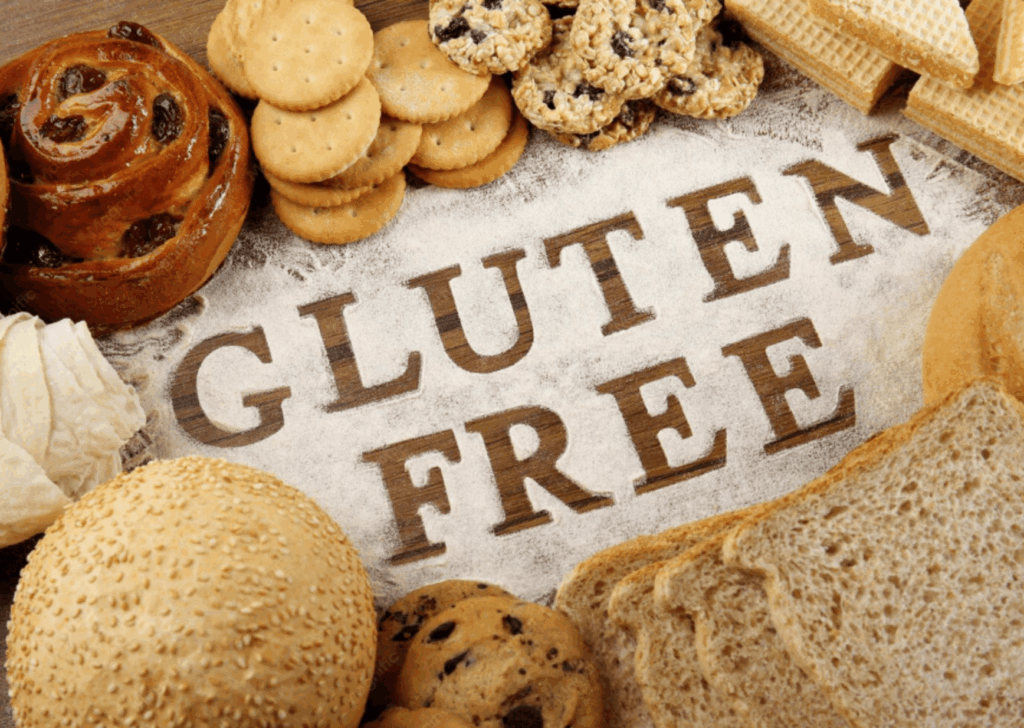
For years, “gluten-free” has been marketed as a healthier lifestyle choice, with supermarkets, influencers, restaurants, and wellness brands promoting gluten-free products as cleaner, lighter, or better for the body.
But health experts and researchers say the reality is far more complicated.
While gluten-free diets are medically necessary for some people, nutritionists including Dr. Erick Berg, warn that avoiding gluten without a proper diagnosis does not automatically make someone healthier, and in some cases may even lead to nutritional deficiencies, unnecessary food restrictions, and higher grocery costs.
What exactly is gluten?
Gluten is a naturally occurring protein found in wheat, barley, and rye (The grains). It gives bread, chapati, cakes, pasta, and other baked foods their chewy texture and elasticity.
For most people, gluten is harmless and forms part of a balanced diet. However, for individuals with certain medical conditions, consuming gluten can trigger serious digestive and immune system reactions.
The most well-known condition is celiac disease, an autoimmune disorder where the body mistakenly attacks the small intestine after gluten consumption.
Others may experience non-celiac gluten sensitivity or wheat allergies, which can cause bloating, stomach pain, fatigue, headaches, or digestive discomfort.
Health experts stress that these conditions are real and can significantly affect quality of life.
Why do so many people think gluten-free is healthier?
Nutritionists say the rise of social media wellness culture has played a major role.
Over the past decade, celebrities, fitness influencers, and wellness bloggers have increasingly linked gluten-free diets to:
- weight loss
- “clean eating”
- reduced bloating
- better skin
- improved energy levels
As a result, many consumers now associate “gluten-free” labels with healthier food choices, even when there is no medical reason to avoid gluten.
However, experts say removing gluten alone does not automatically improve health.
In many cases, people who report feeling better after going gluten-free may actually be benefiting from eating fewer processed foods overall rather than avoiding gluten itself.
Gluten-free products are not always healthier
One of the biggest misconceptions surrounding gluten-free diets is that gluten-free packaged foods are nutritionally superior.
In reality, many processed gluten-free products contain:
- added sugars (Thrive bad bacteria; causes inflamation; gut or skin)
- extra fats(seed oils)
- refined starches
- preservatives
- lower fiber content
Nutritionists explain that because gluten helps provide texture and structure in foods, manufacturers often replace it with alternative ingredients to improve taste and consistency.
This means some gluten-free breads, biscuits, cereals, and snacks can actually contain more calories and less nutritional value than their regular counterparts. So you are not much better off than eating gluten.
Experts also warn that unnecessarily removing gluten-containing whole grains may reduce intake of important nutrients such as:
- fiber
- iron
- B vitamins
- folate
Without careful meal planning, long-term gluten-free dieting can contribute to nutrient deficiencies.
Does going gluten-free help with weight loss?
Health specialists say there is no strong scientific evidence showing that gluten-free diets directly cause weight loss in people without gluten-related conditions.
Some people lose weight after going gluten-free simply because they reduce consumption of fast foods, pastries, fried snacks, and highly processed meals.
However, others may gain weight if they rely heavily on processed gluten-free alternatives that are high in sugar and calories.
Experts say sustainable health improvements are more strongly linked to:
- balanced diets
- portion control
- exercise
- sleep
- reduced ultra-processed food intake, rather than avoiding gluten alone.
In Kenya, awareness around gluten-free diets has been growing, especially among urban middle-class consumers, fitness communities, and wellness-focused social media audiences.
Major supermarkets now stock imported gluten-free products including:
- gluten-free flour
- cereals
- pasta
- biscuits
- snacks
However, nutrition experts note that many traditional Kenyan foods are already naturally gluten-free.
Foods such as replacing that gluten free”Product” with ugali, minimal rice, boiled sweet potatoes or bananas, arrowroots( nduma), cassava, sorghum, beans or millet, which do not naturally contain gluten.
This means some Kenyans may unknowingly follow partially gluten-free diets without needing expensive specialty products.
Experts caution that aggressively pursuing imported gluten-free alternatives may unnecessarily increase household food costs, especially at a time when many families are already facing rising living expenses.
Should people test before cutting out gluten?
Doctors recommend that anyone suspecting gluten intolerance should seek medical advice before completely eliminating gluten from their diet.
Testing for celiac disease is usually more accurate while a person is still consuming gluten regularly.
Experts warn that self-diagnosis based on internet trends or influencer advice may lead to confusion and unnecessary dietary restrictions.
Common symptoms associated with gluten-related disorders include:
- chronic bloating
- diarrhoea
- stomach pain
- fatigue
- unexplained weight loss
- skin rashes
However, these symptoms can also be linked to many other medical conditions. Health experts say gluten-free diets are essential and life-changing for people with medically diagnosed gluten-related disorders.
But for the average healthy person, “gluten-free” should not automatically be viewed as a shortcut to better health.
Instead, nutritionists encourage consumers to focus on balanced eating of whole foods with reduced processed food intake as well as long-term healthy habits rather than chasing dietary labels driven by social media trends.
As wellness culture continues influencing eating habits globally and in Kenya, experts say consumers should pay closer attention to nutritional value, not just marketing claims on food packaging.
DR. Erick Berg’s take on Gluten vs Gluten Free: WATCH HERE
Read more wellness stories HERE