






There is a quiet hesitation that comes with trying sushi for the first time.
It might be the idea of raw fish, the unfamiliar names, how to use chopsticks or simply not knowing what to order or how to eat it.
But beyond that uncertainty lies one of the most refined and intentional food experiences you can have.
Sushi is not just a meal, it is a study in balance, precision, and restraint.
- Sushi Vs Sashimi: Understanding The Difference
- The Origins of Sushi
- The Role of Rice: The Heart of Sushi
- Types of Sushi
- Why Uramaki is Popular in Kenya
- Types of Sashimi
- Condiments and Their Purpose
- Sushi Myths Debunked
- How to Eat Sushi Properly
- How to Tell if Sushi Is Not Fresh
- Ordering Smart for Your First Time
- Pairing Sushi with Drinks
- Best Places to Try Sushi in Kenya
Once you understand it, even slightly, it stops being intimidating and starts becoming something you genuinely look forward to.
Sushi Vs Sashimi: Understanding The Difference
One of the biggest misconceptions, especially here in Kenya, is that sushi means raw fish.
Sushi refers to vinegared rice, paired with fish, vegetables, or other ingredients. The rice is the defining element, when it comes to sushi.
Sashimi, by contrast, is thinly sliced raw fish or seafood served without rice. It is all about freshness, texture, and purity of flavour.
So in simple terms: sushi includes rice; sashimi does not.
The Origins of Sushi
Sushi began as a preservation method in Southeast Asia, where fish was fermented with rice.
Over time, this evolved in Japan into something entirely different.
By the Edo period in Japan (modern-day Tokyo), sushi had transformed into a fast, fresh street food making the foundation of what we now recognize as modern sushi.
The Role of Rice: The Heart of Sushi
While fish often takes the spotlight, the true foundation of sushi is the rice. It is seasoned with a delicate blend of vinegar, sugar, and salt, creating a subtle tang that balances the richness of the fish.
In traditional sushi culture, the rice, known as shari, is considered the foundation of everything.
Chefs spend years perfecting it because it directly affects taste, texture, and how the sushi feels in your mouth.
1.Temperature
First, it is about temperature. Sushi rice should be slightly warm, close to body temperature. If it is too cold, the flavours are muted. If it is too hot, it can overpower the fish.
2.Texture
Then comes texture, each grain should be distinct yet gently sticky, holding together without becoming mushy. When you pick up a piece of sushi, it should stay intact, but once you bite into it, it should break apart effortlessly.
3.Seasoning
There should be a seasoning balance. The mix of vinegar, sugar, and salt must be precise, it should not be too sharp, not too sweet. It should subtly enhance the fish, not compete with it.
4.Shape
Finally, there is technique in shaping. When forming something like nigiri, chefs apply just enough pressure so the rice holds together but still has air inside. This creates that light, almost delicate bite.
Types of Sushi
Understanding the different types makes ordering easier and more enjoyable.
1. Nigiri
This is a classic and the simplest type of sushi. It has hand-pressed rice topped with a slice of fish or seafood. Nigiri is simple, balanced, and often considered the purest form of sushi.
2. Makizushi (Rolled Sushi)
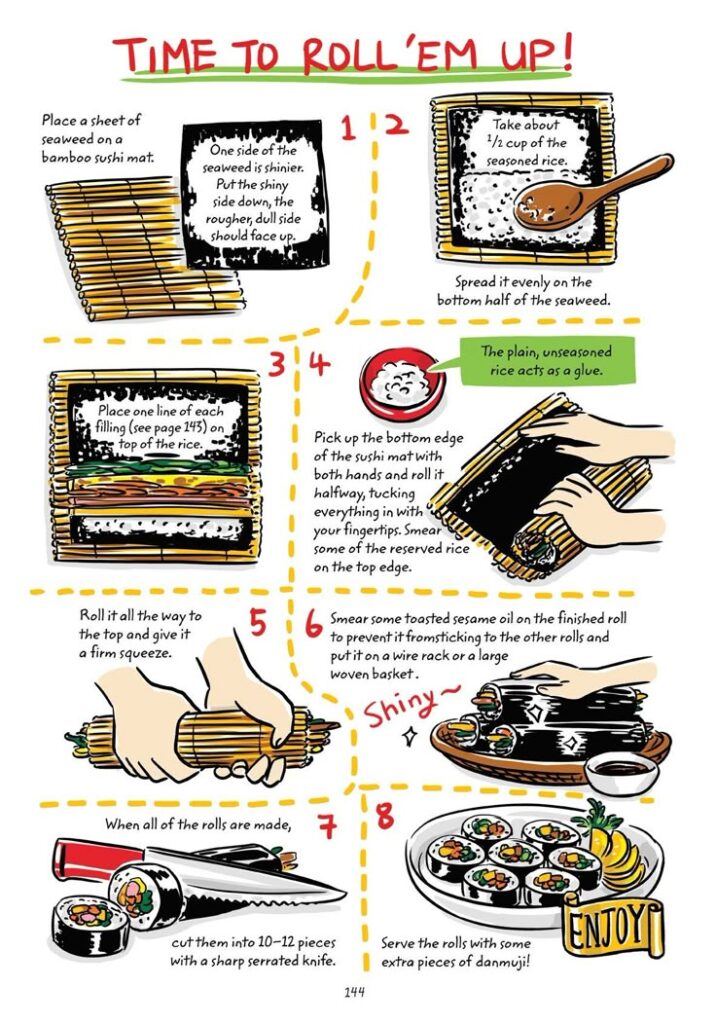
Makizushi is sushi where rice and fillings are rolled in nori (seaweed). It comes in several varieties:
1.Hosomaki – Thin rolls with a single ingredient, often simple and classic.
Examples: Tuna roll, cucumber roll, avocado roll
2.Futomaki – Thick rolls containing multiple ingredients, usually colorful and packed with flavour.
Examples: Veggie futomaki with tamago (sweet omelette), cucumber, pickled radish, and avocado; seafood futomaki with crab, cucumber, and omelette
3.Uramaki – Generally the sea weed should be outside, and this can be very chewy. This type “Inside-out” rolls, has rice on the outside and nori(Sea weed) on the inside. It is often topped with sesame seeds or roe.
Examples: California roll (crab, avocado, cucumber), Spicy salmon roll, Dragon roll (eel and cucumber topped with avocado)
Why Uramaki is Popular in Kenya
Uramaki is especially favoured outside Japan and here in Kenya especially because it is more approachable for beginners, often including cooked ingredients or familiar flavours, and the outside rice gives it a softer, more appealing texture for those new to sushi.
3. Temaki – Also called hand rolls, these are cone-shaped rolls filled with rice, fish, and vegetables. They are meant to be eaten with your hands and are often served in group settings because they are quick and fun to enjoy.
4. Gunkanmaki – Translates to “battleship sushi” because the rice is wrapped with a strip of nori (Sea weed) to form a little boat. The “boat” is then topped with soft or loose ingredients like ikura (salmon roe), sea urchin, or chopped scallops.
5. Hakozushi – Known as pressed sushi, it is made by layering rice and toppings in a mold and pressing it into a rectangular or square shape. It is traditional in Osaka and often features multiple layers of fish, vegetables, or pickles.
Types of Sashimi
Sashimi focuses entirely on the quality of the fish. Unlike sushi, where the rice is the foundation, sashimi focuses purely on the freshness, texture, and flavour of the fish.
Sashimi is usually enjoyed with soy sauce, a touch of wasabi, and sometimes pickled ginger, but the fish itself is the star.
This is often considered a purer and more minimalist way to enjoy seafood, highlighting the skill of the chef and the quality of the ingredients. This is why choosing a reputable restaurant is essential because quality control matters.
Common varieties include:
- Salmon
- Tuna
- Mackerel (often cured)
- Yellowtail
- Octopus
Each offers a different experience, from buttery and mild to bold and complex.
The Balance of a Perfect Bite
Each piece of sushi is carefully constructed to be eaten in one bite.
It combines:
- The warmth and texture of the rice
- The flavour and freshness of the fish
- A subtle touch of wasabi
- A light dip of soy sauce
- And be eaten as a whole, because breaking it apart disrupts this balance.
Condiments and Their Purpose
1.Soy Sauce (Shoyu)
Soy sauce enhances flavour the same way butter complements bread, it should never overpower the meal, therefore a light dip is encouraged.
2.Wasabi
Authentic wasabi is rare and expensive, this is because it is derived from the wasabi root. Therefore, many restaurants use a substitute made from food colour, horseradish and mustard.
Traditionally, chefs add wasabi inside the sushi, but adding more is optional but should be done sparingly.
3.Pickled Ginger
This should be used between bites to cleanse the palate, especially when trying a platter and it should not be eaten with sushi itself.
Sushi Myths Debunked
Sushi is surrounded by misconceptions, especially for first-timers. Let’s clear up the most common ones:
1. “Sushi is always raw fish”
Not true. Many sushi varieties feature cooked or vegetarian ingredients, such as tamago (sweet omelette), tempura vegetables, or cooked shrimp. Sushi is really about the vinegared rice, not just raw seafood.
2. “Mixing wasabi into soy sauce is correct”
This is a modern habit, mostly outside Japan. Traditionally, sushi chefs apply wasabi directly inside the sushi, allowing it to enhance the fish without overpowering it. Mixing it into soy sauce can mask delicate flavours, but you can try.
3. “More soy sauce improves flavour”
Less is more. Too much soy sauce can drown out the subtle taste of the fish, and chefs design each piece with the perfect balance already in mind. A light dip is all you need.
By understanding these myths, you will enjoy sushi the way it was intended
How to Eat Sushi Properly
Sushi can be eaten with chopsticks or your hands, both are correct. A fork is generally avoided.
1. Dipping Technique
For nigiri, dip the fish side lightly into soy sauce.
For rolls, dip one side gently.
Eat each piece in one bite to experience the intended balance.
Learn how to eat Sushi properly: HERE
How to Tell if Sushi Is Not Fresh
Freshness is everything. Signs to watch for include: A strong, fishy smell, slimy texture, dull or faded colour or an unpleasant aftertaste. Fresh fish should smell clean and taste light, not overpowering.
Ordering Smart for Your First Time
If you are new, start simple: Salmon nigiri,salmon avocado rolls, california rolls or lightly seared (aburi) salmon. These options are approachable while still offering a true sushi experience.
Pairing Sushi with Drinks
To elevate the experience: Green tea cleanses the palate, Sake offers a traditional pairing, light white wines complement delicate fish and sparkling water keeps flavours crisp.
If you want something heavier, such as wine, soda or a cocktail, it is often better after the sushi course, so it does not mask the delicate tastes of the fish and rice.
Best Places to Try Sushi in Kenya
Kenya’s sushi scene has grown steadily, offering everything from traditional Japanese styles to modern fusion experiences. Some standout spots include:
Hero Restaurant – Modern and creative sushi offerings, with carefully crafted rolls and nigiri for beginners and aficionados alike.
Haruki Japanese Restaurant – Known for reliable classic sushi and sashimi, ideal for those seeking authentic Japanese flavours.
INTI – A Nikkei Experience – A refined Japanese-Peruvian fusion experience, blending sushi techniques with unique flavours.
Sushi Soo Japanese Restaurant – Casual but consistent sushi options, perfect for a relaxed introduction to sushi.
Bambino – Offers a bamboo-themed dining experience and features unlimited sushi and dumplings for Sh. 2,800 per person on the first Wednesday of every month.
Pili – A must-visit for sushi lovers who appreciate fresh, modern takes on Japanese cuisine, with a stylish, contemporary atmosphere.
Zen Garden – Combines sushi dining with a peaceful garden setting, perfect for a mindful and relaxing experience.
These restaurants not only deliver quality sushi and sashimi but also focus on creating a calming, immersive environment that complements the precision and artistry of Japanese cuisine.
Part of what makes sushi unique is how it changes the way you eat.
It encourages you to slow down, pay attention to texture, and notice subtle flavours.
In a fast-paced food culture, sushi offers something rare, intentional eating. And once you do, it becomes more than just a meal, it becomes an experience.
Whether you begin with a simple salmon or tuna roll or explore deeper into traditional styles, sushi has a way of drawing you in, say yes to new Experiences!
More Food stories: HERE